berlin-mitte • gendarmenmarkt
5.0

Bobath Therapy in Berlin-Mitte at Gendarmenmarkt

Bobath Therapy in Berlin-Mitte at Gendarmenmarkt

Bobath Therapy is a neurorehabilitation concept within physiotherapy for adults with neurological conditions - for example after a stroke, in multiple sclerosis (MS), or following a traumatic brain injury.

At our practice in Berlin Mitte at Gendarmenmarkt, we combine the Bobath approach with active training and education, individually tailored to your symptoms and goals - always based on the latest scientific evidence.

To give you the time and attention your recovery deserves, we offer Bobath Therapy exclusively as a double session (60 minutes).


Bobath Therapy is a neurorehabilitation concept within physiotherapy for adults with neurological conditions - for example after a stroke, in multiple sclerosis (MS), or following a traumatic brain injury.

At our practice in Berlin Mitte at Gendarmenmarkt, we combine the Bobath approach with active training and education, individually tailored to your symptoms and goals - always based on the latest scientific evidence.

To give you the time and attention your recovery deserves, we offer Bobath Therapy exclusively as a double session (60 minutes).


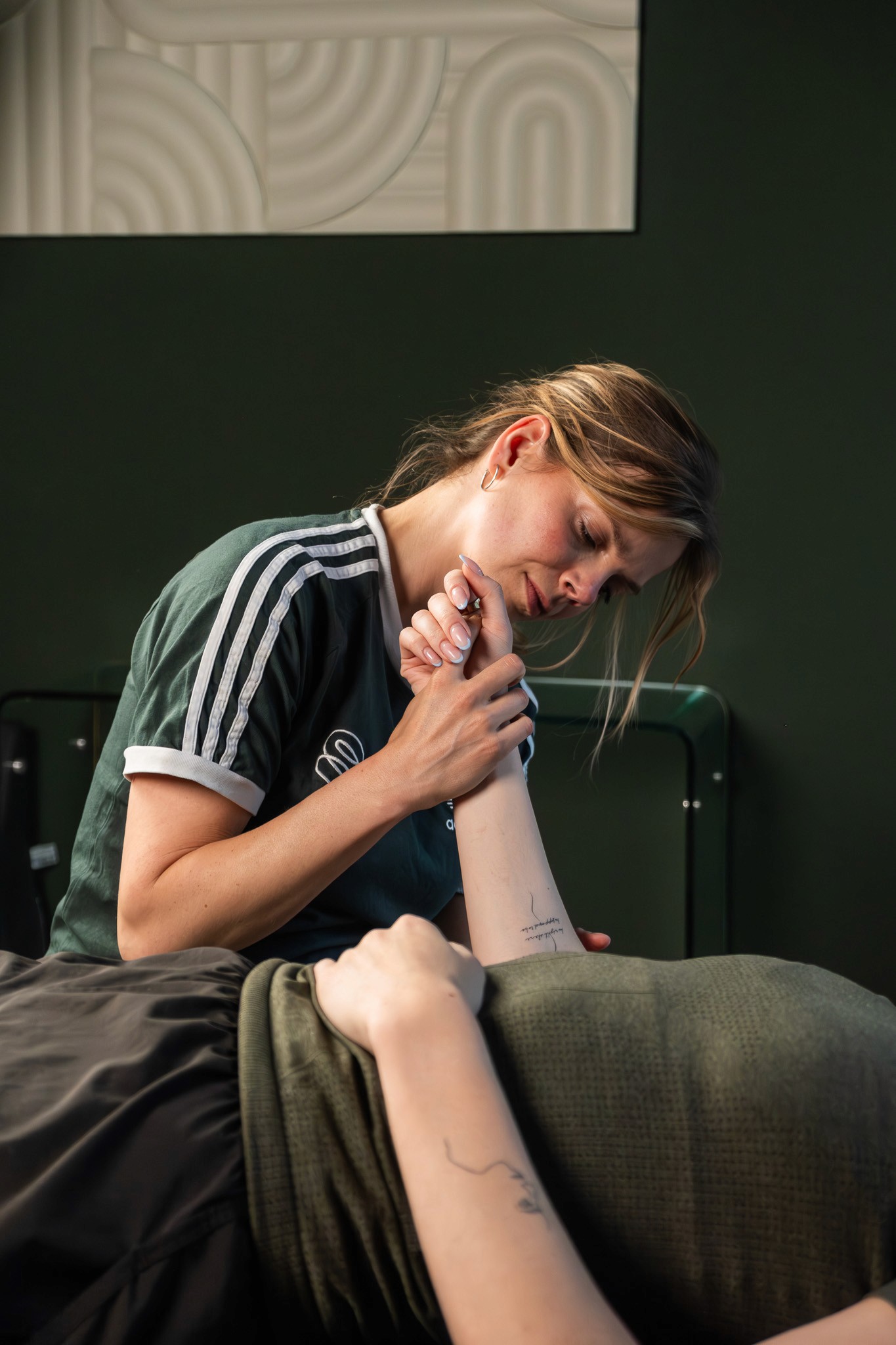
A physiotherapist helps a bobath patient to walk again

Easy to reach, bookable immediately

Französische Straße 24

10117 Berlin-Mitte

Phone

+49 30 754 394 470

Email

termine@somana.com

Opening hours

Mon–Thu: 8-8 pm, Fri: 8–5pm

A physiotherapist helps a bobath patient to walk again
  • 40 years of physiotherapy expertise

  • Evidence-based physiotherapy guidelines.

  • All insurance plans + self-pay

  • 40 years of physiotherapy expertise

  • Evidence-based physiotherapy guidelines.

  • All insurance plans + self-pay

Person with closed eyes
Green leaf
Green leaf
Older women smiling

About Bobath Therapy

What is Bobath Therapy?

Bobath Therapy - on the prescription as „KG-ZNS“/”KG-ZNS nach Bobath” - is a remedy treatment prescribed by a physician and performed by physiotherapists with certified additional training (the recognised Bobath certification according to IBITA standards). It is part of modern, evidence-based neurorehabilitation and serves the targeted treatment of movement, tone, balance, and coordination disorders caused by injury or disease of the central nervous system.

Bobath Therapy works on the principle of neuroplasticity: the brain’s ability to reorganise itself after injury. Through specific handling, targeted facilitation of normal movement patterns, and active participation by the patient, we encourage the nervous system to regain or relearn functional movement - step by step, in a context that is meaningful for everyday life.

Treatment goals

Goals of Bobath Therapy

At Somana in Berlin Mitte, we pursue clear, measurable goals with every Bobath Therapy treatment:

Improving Motor Function and Movement Quality

Relearning physiological movement patterns instead of compensating with restrictive ones.

Reducing Spasticity and Abnormal Muscle Tone

Through specific handling, positioning, and active control strategies.

Improving Postural Control and Balance

To reduce the risk of falls and increase confidence in everyday movement.

Promoting Independence in Daily Life (ADL)

Practical training of activities such as standing up, walking, dressing, or reaching.

Education and Self-management:

You - and, where relevant, your relatives or caregivers - understand the condition and learn how to support recovery between sessions.
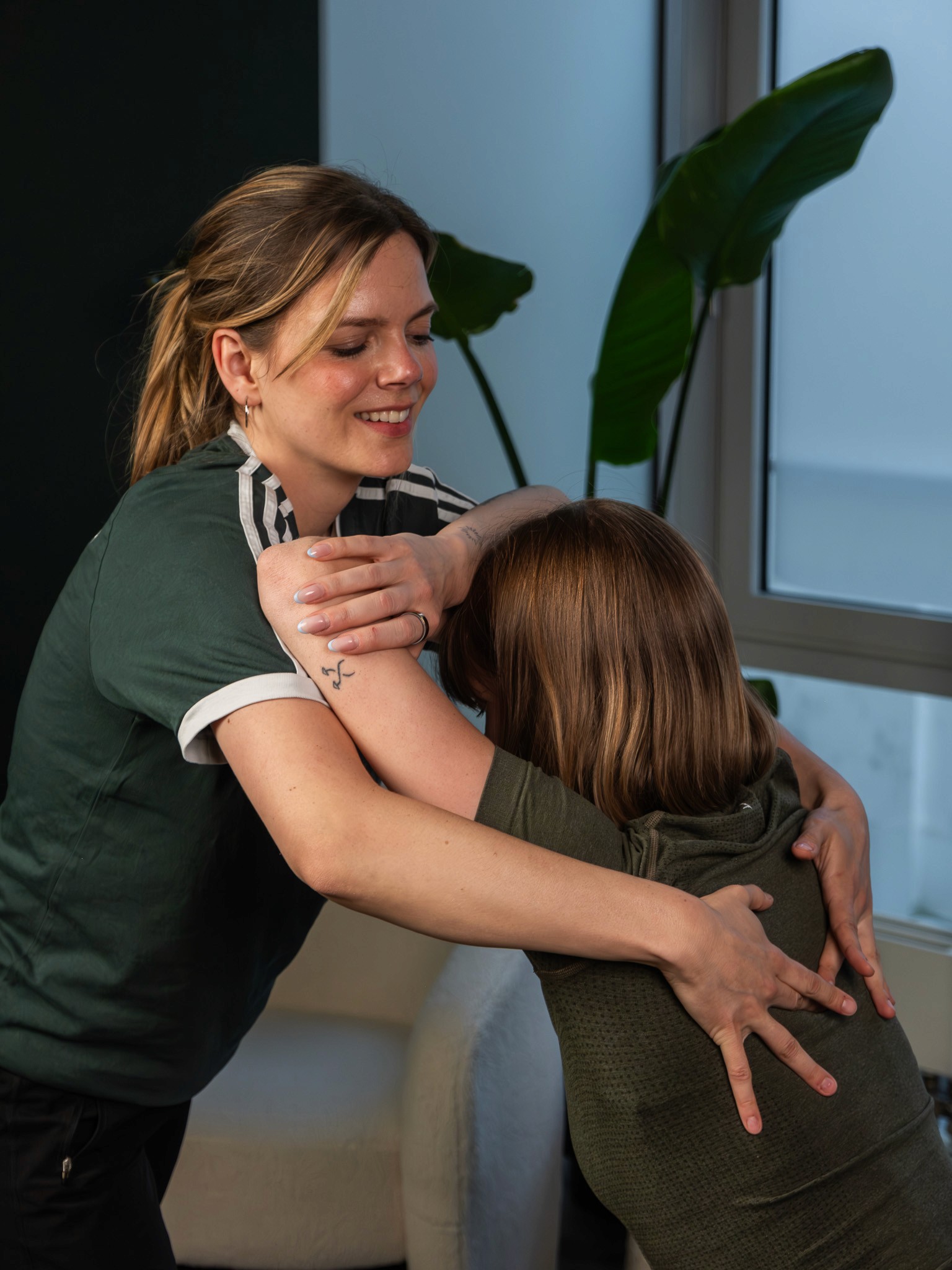
A physiotherapist streches the shoulder of a patient

Fit

Who is Bobath Therapy for?

Bobath Therapy is suitable for adults with neurological conditions that affect movement, tone, balance, or coordination. At our practice in Berlin Mitte, we particularly often encounter the following areas of application:

Stroke

in the early as well as the chronic rehabilitation phase, including hemiparesis and hemiplegia

Multiple Sclerosis (MS)

to maintain mobility, manage spasticity, and support function in relapsing and progressive courses

Traumatic brain injury

in the post-acute and chronic phase of motor rehabilitation

Spinal cord injuries

with central involvement of motor control

Post-tumour rehabilitation (CNS)

after brain tumour surgery or oncological treatment affecting the central nervous system

Other central movement disorders

e.g. ALS, Guillain-Barré syndrome, ataxia, cerebellar disorders

Every treatment is individually tailored to you – based on your symptoms, movement habits, and personal goals.

Steps

Course of a Bobath Session at Somana, Gendarmenmarkt

1

Initial Consultation and Assessment

Based on the assessment, we create a treatment plan with clear, functional goals. You will know from the start what we are working toward — for example: walking independently in your apartment, going up stairs again, reducing the risk of falls, or returning to a specific hobby. Where appropriate, we coordinate with your treating neurologist, GP, or occupational therapist.

Based on the assessment, we create a treatment plan with clear, functional goals. You will know from the start what we are working toward — for example: walking independently in your apartment, going up stairs again, reducing the risk of falls, or returning to a specific hobby. Where appropriate, we coordinate with your treating neurologist, GP, or occupational therapist.

2

Individual Treatment Plan

Based on the assessment, we create a treatment plan with clear goals. You will know from the start what we are working toward.

Based on the assessment, we create a treatment plan with clear goals. You will know from the start what we are working toward.

3

Active Treatment

The therapy combines specific Bobath handling and facilitation with active training, task-specific practice, and education. We work in positions and situations that are meaningful for everyday life — lying, sitting, standing, walking, and transferring — and adapt the level of challenge to your current ability. This combination follows current neurorehabilitation guidelines and has been shown to produce better long-term results than purely passive treatment.

The therapy combines specific Bobath handling and facilitation with active training, task-specific practice, and education. We work in positions and situations that are meaningful for everyday life — lying, sitting, standing, walking, and transferring — and adapt the level of challenge to your current ability. This combination follows current neurorehabilitation guidelines and has been shown to produce better long-term results than purely passive treatment.

4

Home Exercises and Education

You will receive clear explanations of your symptoms and an individual home programme. Where helpful, we also instruct relatives or caregivers in supportive handling and positioning. This way you maintain the function gained in therapy — the biggest progress happens between appointments, in the routines of everyday life.

You will receive clear explanations of your symptoms and an individual home programme. Where helpful, we also instruct relatives or caregivers in supportive handling and positioning. This way you maintain the function gained in therapy — the biggest progress happens between appointments, in the routines of everyday life.

session details

Duration and Frequency

The rules regarding treatment duration and frequency differ depending on the type of insurance. Please feel free to contact us if anything is unclear.

Statutory Insurance

Private Insurance

Duration

At Somana we only offer Bobath as a double session, 60 minutes in total (standard treatment time per unit: 25–35 minutes).

Sessions

Usually 6 sessions per prescription

Frequency

1–2 times per week

Validity

Must begin within 28 calendar days of issue date

Long-term

Available for chronic conditions on doctor's prescription

Choose to live healthy and in control again.

Our physiotherapists

Offering Bobath Therapy at Gendarmenmarkt
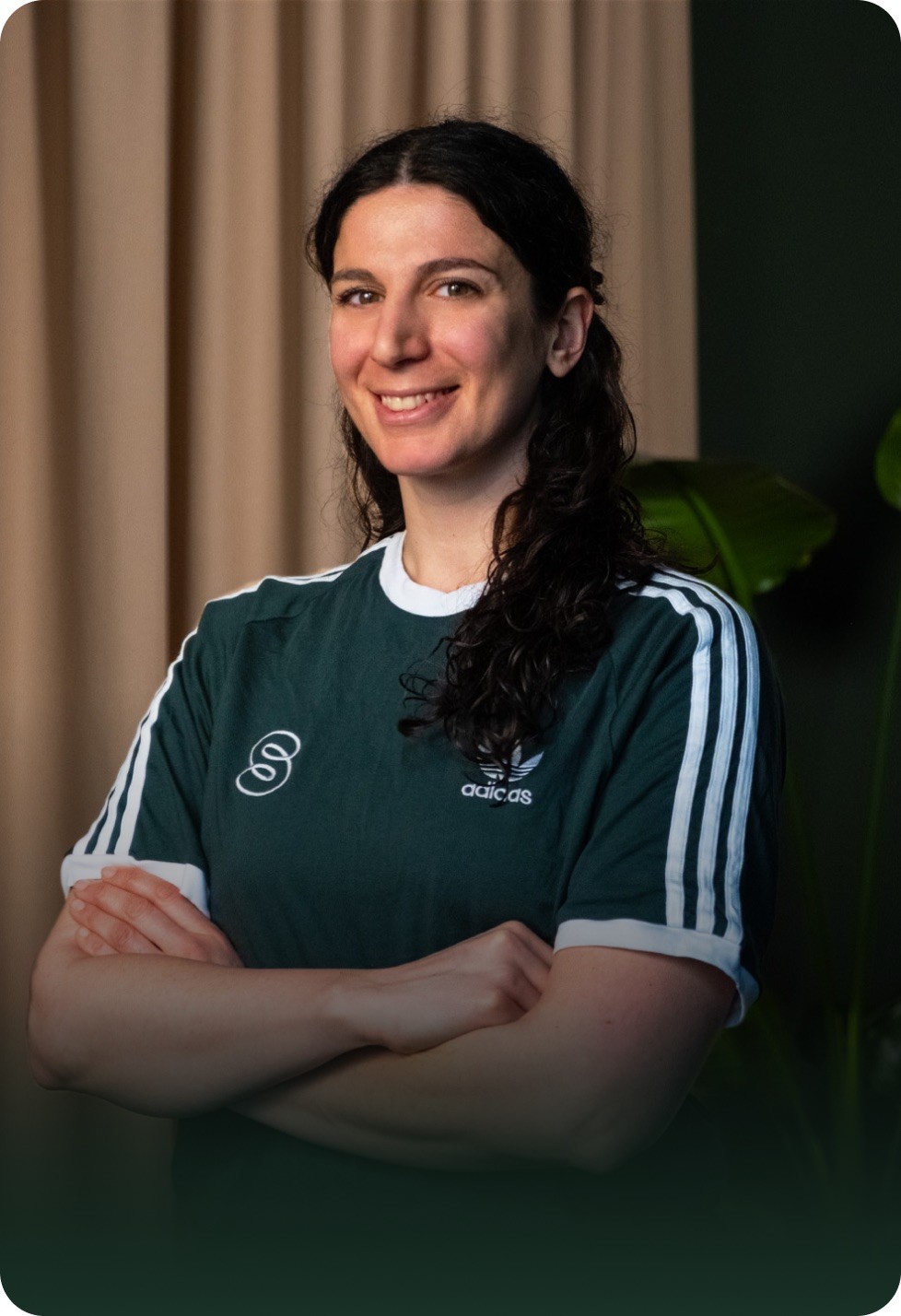
Physiotherapist

8 Years of Experience

Danai

Danai loves Pilates, strength training, and Lindy Hop dancing, bringing this joy of movement into her way of work. With eight years of experience and a bachelor's degree, her focus lies on the shoulder and on supporting neurological patients toward a more active life.

Health Insurances & Self Pay

Costs & Co-Payments

Statutory Insurance

Bobath is a covered benefit under statutory health insurance. With a medical prescription, your health insurance covers the costs. You only pay:

€10 prescription fee

one-time per prescription

10% of treatment costs

as the statutory co-payment

Important: The co-payment is waived with a co-payment exemption (can be applied for through your health insurance if you exceed the income threshold of 2% of gross income – 1% for chronically ill patients).

Important: The co-payment is waived with a co-payment exemption (can be applied for through your health insurance if you exceed the income threshold of 2% of gross income – 1% for chronically ill patients).

Private Insurance and Government Aid

Private health insurance and civil servant benefit schemes (Beihilfe) reimburse fully or partially depending on your contract and status. We’re happy to provide you with an individual fee overview in advance, so you can coordinate with your insurance provider. We bill according to the current fee schedule. A prescription is also required here.

Self-Pay

We currently don't offer Bobath Therapy as a self pay service

Welcome

How to find us

Französische Straße 24, 10117 Berlin

Monday - Thursday: 8:00 - 20:00 / Friday: 8:00 - 17:00

termine@somana.com

+49 30 754 394 470

Public transport

Our practice is located in central Berlin Mitte, just steps from Gendarmenmarkt. You can reach us in 5 minutes on foot from U-Bahn Station Unter den Linden (U6+U5), 7 minutes from Hausvogteiplatz (U2) and 10 minutes from Friedrichstraße (S+U).

By bike or car

Bike racks are right by the entrance, and parking garages on Mohrenstraße, Markgrafenstraße and Bebelplatz are within walking distance. At peak times, we recommend public transport.

When you arrive

Our practice is fully accessible. There is an elevator in the building – but it's rather slow, so taking the stairs is usually the faster option. If you need any assistance, just let us know in advance and we'll meet you at the entrance.

FAQ

Everything you need to know before getting started

What is the difference between Bobath Therapy and physiotherapy?

How much does Bobath Therapy cost with a prescription?

How long does a Bobath Therapy session last?

Do I need a prescription for Bobath Therapy?

Which doctor issues a Bobath prescription?

How quickly do I need to redeem my prescription?

How quickly will I see progress?